Death-Capture-Ransom

Margaret Stilson, the granddaughter of John Brown (Samoset and John Brown – Maine), was born in 1679 in Marblehead, Massachusetts. Margaret, my 7 paternal great-grandmother, married William Hilton III on June 2, 1699. They had one child, Benjamin, during their marriage. She died in November 1763 in Manchester, Massachusetts, having lived a long life of 84 years. (See previous post on Hilton Line: New Hampshire’s Founding Father)
In 1689, on
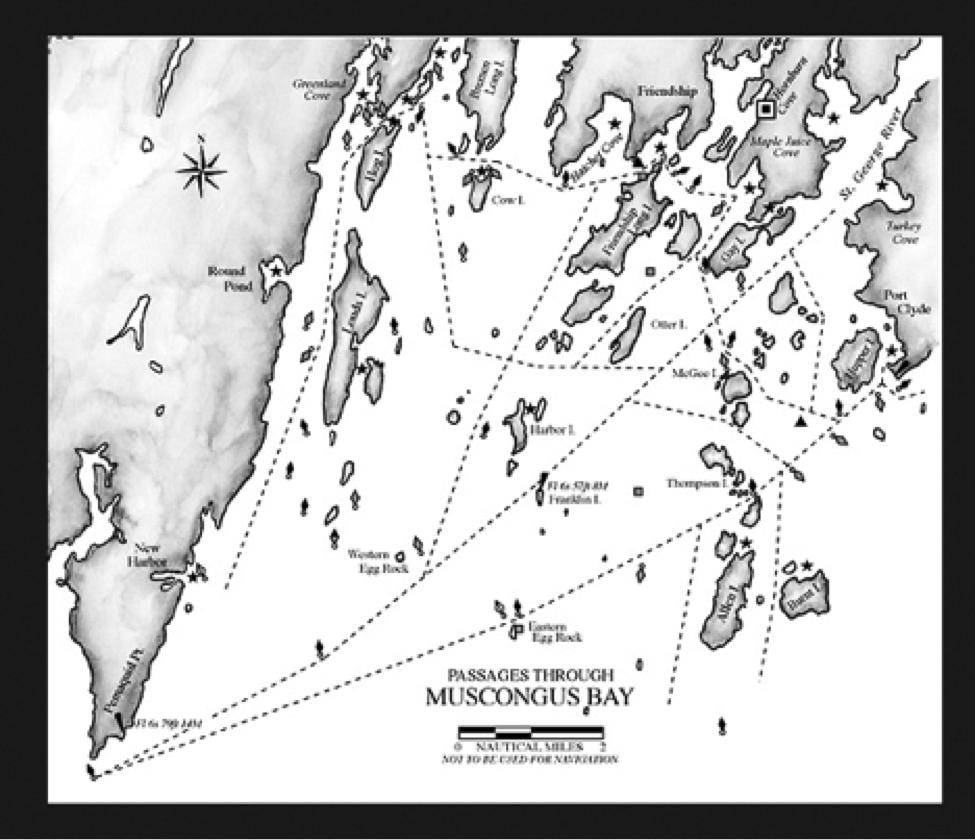
Muscongus (now called Louds) Island in Maine, Indians attacked Margaret and her
family. As a result, her father James Sr. was killed and she was taken prisoner
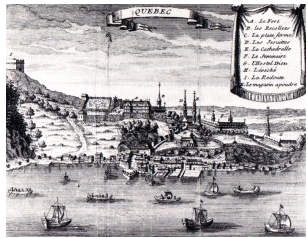
along with her mother and brother to the Quebec region of Canada where they
were sold to the French. Records indicate that an infant sibling (unnamed)
either died immediately following the capture or on the way to Canada.
Margaret
remained in French custody for 10 years before being ransomed, during that time
she was reported to be a servant in the house of Monsieur Jean Bochart de Champigny, the Intendant of New France. The intendant served as an agent of
the King of France and responsible for the colony’s entire civil
administration. A fellow captive and servant of the intendant, Hannah Swarton,
had a famous narrative of her captivity published, providing a possible window
into Margaret’s experience.

A Narrative of Hannah Swarton’s Captivity

A Little Side Story About the Republic of MuscongusMuscongus Islanders, capturing a spirit of independence that matched their independence from Maine that they declared in1860. The island was left off the state map and islanders were not allowed to vote. Muscongus Island rejoined the state in 1934.

© David R. French and French in Name Only, 2019. Unauthorized use and/or duplication of this material without express and written permission from this blog’s author and/or owner is strictly prohibited.


New Hampshire’s Founding Father – William Hilton

In November 1621, thirty-five colonists on the ship Fortune arrived in Plymouth from England. According to their published accounts, “they found the (Plymouth) settlers in very low condition – many were ragged in apparel and some little better than half naked. The best dish they could offer their friends was a lobster or a piece of fish without bread or anything else but a cup of fair spring water” It is believed that the timely arrival of Fortune ensured the future of the first settlement at Plymouth.

On board the Fortune was my 10th great-grandfather (maternal), William Hilton. Below is a letter that William Hilton wrote to his cousin Anthony Hilton of South Shields, England after arriving in New England.

Loving Cousin,

Three Visitors to Early Plymouth: Letters

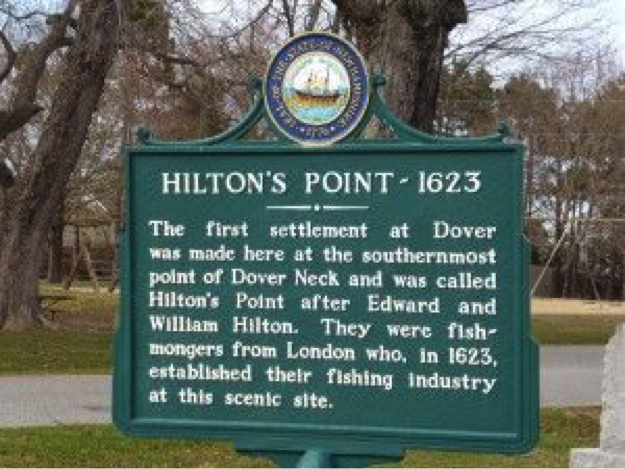
In 1623, two
more ships, the Anne and the Little James, arrived carrying some 90 new
settlers, including William’s his wife, son and daughter. In 1623/4, William
and his family (including his brother Edward) left Plymouth and relocated to
would later be known as  Dover, New Hampshire. They were the first
non-natives to settle in this region.  William and his brother are often
referred to as the founding fathers of New Hampshire. By 1648, he had moved
approximately 11 miles to Kittery, Maine where he is listed as a tavern keeper
and a ferry operator.  “Mr. William Hilton, being licensed for to
keep the ordinary (tavern) at the mouth of the river of Pascataquack and that
none other shall keep any private ordinary there, nor to sell wine, beer nor
liquor upon any pretense.”  
A year later he was admonished for
not keeping “victual and drink at all times for strangers and
inhabitants.”  William died in in 1656 in York, Maine.

Side note:  On the return journey the Fortune was captured by French
pirates in the English Channel who pilfered the hold of all the goods. 
However, the pirates did not take or destroy the settlers letters.  One of
those letters contained the only account of the Pilgrims’ first Thanksgiving
dinner! (Letter from Edward Winslow 11 Dec 1621)

Part II of
this post will focus on the exploration of the Carolina’s by William’s son who
had a head for navigation.