Puritans + Thanksgiving
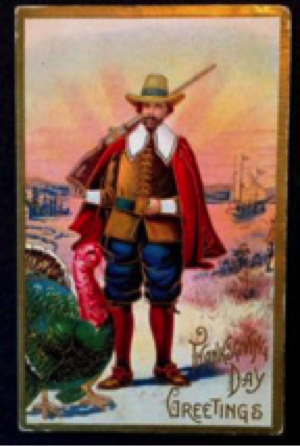
Fowler Family Post Card 1908

Two of my posts highlighted relatives who lived in New England in the mid-1700’s.  They describe how my 8th great-grandfather Humphrey Atherton persecuted Quakers while my 7th great-grandfather’s step-brother, Benanuel Bowers was persecuted for being a Quaker.  Researching and writing about the history of America through the lives of distant relatives is a great experience.  However, the posts about Atherton and Bowers illustrate the fine line’ between myth and reality and (for me) create a struggle on how to accurately portray these stories.  I always question if I am getting the historical context correctly. In 2016, the Washington Post ran an excellent story (below) by Lori Stokes about the Puritans.   I dropped her a note and she was kind enough to respond!

Five myths about Puritans – Washington
Post – November 20, 2016

I visited your blog and it’s very interesting. Keep up the good work! Family histories and historians are invaluable to the body of research. Together, eventually we’ll get everyone in the record.

Lori Stokes

© David R. French and French in Name Only, 2019. Unauthorized use and/or duplication of this material without express and written permission from this blog’s author and/or owner is strictly prohibited.


The Trowbridge Saga: Abandonment, War, and a 40-Year Court Battle

Thomas and Elizabeth (Marshall) Trowbridge are my 8th great-grandparent’s on my paternal line. Thomas’ life was a whirlwind of high-society status and low-level betrayal. Born into a English wool dynasty, he moved from Taunton, England to the Massachusetts Bay colony in 1634-35 with his wife Elizabeth and two sons – Thomas, Jr. and William – (another son, James, was born 1636). They left their oldest son, John, with his grandfather in England.

In 1638, Thomas moved his family from Dorchester, Massachusetts to establish the Plantation of New Haven, Connecticut under the leadership of John Davenport, a Puritan minister, and Theophilus Eaton, a successful merchant. (Background: The New Haven Town Plan)

+ James (1636-1717), the youngest son of Thomas and Elizabeth, born in Massachusetts, is my 7th great-grandfather.

The Great Abandonment

In 1641, following the death of his wife Elizabeth at the age of 37, Thomas decided to return to England, but his decision was disastrous:

  • The “Home Alone” Move: He left his three sons, Thomas, Jr., William and James (ages 10, 8 and 4) in the care of his business steward, Henry Gibbons.
  • The Ultimate Betrayal: Entrusted with a sizable £500 estate, Gibbons instead seized the property and neglected the boys. The Court of Magistrates intervened and placed the children under the care of Thomas Jeffrey and wife to “be well educated and nurtured in the fear of god.”

The Captain and the Courtroom

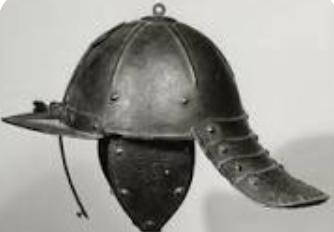
Thomas never returned to his children. His “quick trip” to England turned into a permanent stay when he was swept up in the English Civil War, serving as a “Roundhead” captain for Oliver Cromwell’s Parliamentary forces.

While Thomas spent the rest of his life overseas writing letters “marveling” at Gibbons’ corruption, the legal battle dragged on for decades. Thomas eventually granted his sons power of attorney to finish the fight he started from across the Atlantic.

In 1680—nearly a decade after Thomas’s death and 40 years after the original betrayal—the Trowbridge sons finally won and the property was deeded back to them.

Brockett’s Map of New Haven in 1641 (Trowbridge property – lower left)

© David R. French and French in Name Only, 2026. Unauthorized use and/or duplication of this material without express and written permission from this blog’s author is strictly prohibited.

Questions, Comments and Corrections are Appreciated